

How Inflation Impacts the Fashion Industry
2 Min Read
Inflation is a growing challenge for many industries, including fashion. Rising costs for materials, labor, and transportation are putting pressure on the apparel industry, especially in an already uncertain post-pandemic economy. In this post, we’ll look at how inflation is affecting fashion, from supply chain issues to shifts in consumer behavior.

What is Inflation, and How is it Measured?
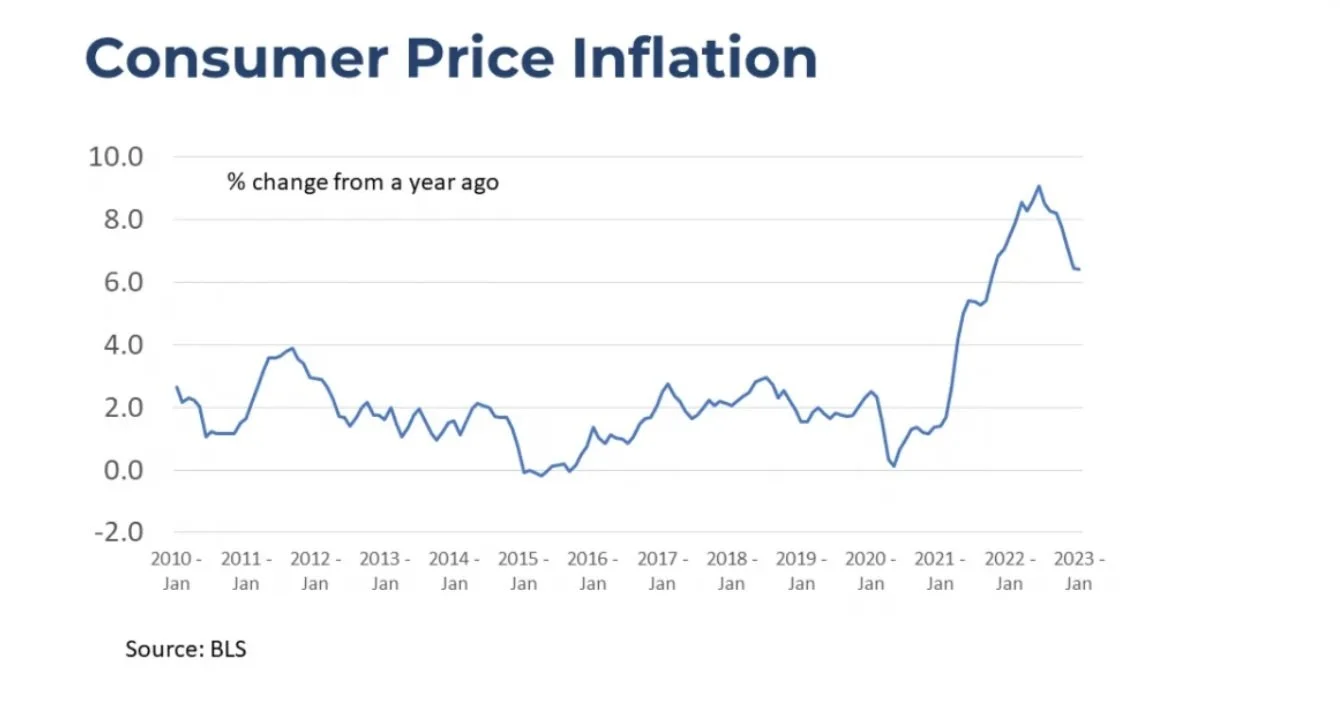
Inflation refers to the rise in the prices of goods and services, reducing the purchasing power of money over time.
Measurement Tools : Consumer Price Index (CPI): Tracks changes in the cost of a standard "basket" of goods to measure inflation.
Historical Trends in the U.S : Average annual inflation is 3.10% over the past century. Notable spikes during major economic events like the Great Depression and the energy crisis of the 1970s.
Clothing Price Increases (1913–2023) : Prices rose by 779.25%, growing at an average rate of 2% annually.
Example: An item costing $20 in 1913 would cost $175.85 in 2023.
Inflation’s Impact on Fashion
Regional Differences
In some areas, wage growth outpaces inflation, but overall consumer confidence remains weak, affecting spending.
Rising Costs
Inflation drives up labor, materials, and transportation costs, impacting manufacturers and retailers.
Inventory Struggles
Excess inventory reduces margins, leads to higher discounting, increases storage costs, and complicates cash flow.
Consumer Behavior
Inflation shifts consumer spending to essentials, reducing purchases of luxury or non-essential items like clothing.

Key Takeaways
Inflation significantly impacts both consumers and the fashion industry, altering spending behaviors and reshaping the supply chain. As production costs rise, businesses face challenges with inventory management, pricing strategies, and consumer confidence. While some regions experience stronger wage growth, the overall economic uncertainty calls for adaptability. Companies must focus on resilience, innovation, and efficiency to navigate these pressures, ensuring they can meet shifting consumer demands and maintain profitability in a volatile market.